A Designer’s Take on the Stupid Bat Halloween Embroidery Design
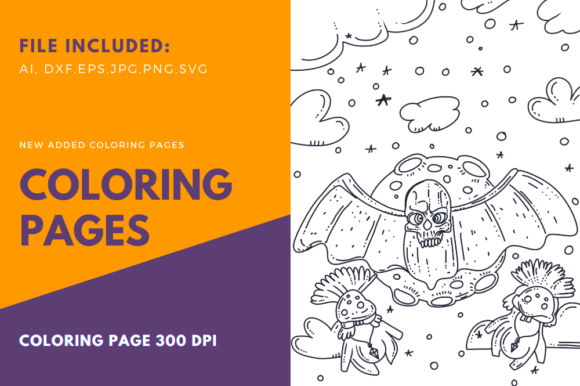
Let’s talk about the Stupid Bat Halloween Coloring Page. On the surface, it’s presented as a graphics file for coloring books and print-on-demand services. But from an embroidery designer’s perspective, we’re looking at a raw vector drawing—a line art graphic. This is a foundational asset. Our job is to judge whether this specific drawing is a good candidate for translating into stitched work for real embroidery projects.
The First Impression: Personality and Potential
The name itself, “Stupid Bat,” tells you everything. This isn’t a sinister, elegant bat; it’s goofy, playful, and intentionally silly. The illustration’s mood is lighthearted Halloween. For a crafter or small business owner, that’s a valuable niche. It creates an immediate emotional response: fun, not fear. This personality makes it perfect for baby embroidery on a bib or a toddler’s hoodie, or for a whimsical embroidered patch on a teenager’s backpack. The layout is typically a central, contained character, which is excellent for a standard hoop size without needing excessive repositioning.
Where This Design Finds Its Home
In practical use, this bat’s charm translates well to several key products. Imagine a custom tote bag design for a friend who loves quirky Halloween decor. Or a sweatshirt embroidery piece for a casual, festive look. It’s ideal for holiday embroidery on kitchen towels, aprons, or pillow covers in a home that leans toward cute rather than creepy. For Etsy sellers and craft fair products, this design can anchor a whole line of playful Halloween personalized gifts.
The contained, bold lines suggest it would perform well as an applique design, where you could use a fun fabric for the bat body and satin stitch the outline details. It’s also a strong candidate for a simple fill stitch in a single color for a minimalist look, or for using a variegated thread to add visual interest without overwhelming stitching clarity.
Navigating the Practical Stitching Considerations
This is where our designer mindset gets critical. A line art graphic like this is a blueprint. Its success in a finished product depends entirely on our execution.
First, the detail level. The “stupid” expression relies on specific facial features—likely simple eyes and a mouth. These small areas are crucial. On a very small scale, like a baby embroidery on a tiny sleeve, those details could become muddy if the stitch density is too high or the running stitch lines are too thick. Conversely, on a large tote bag, those same features need to be scaled up proportionally to retain the character’s charm.
Scenarios for Careful Application
You’ll want to be thoughtful applying this to textured fabrics like some sweaters or blankets, where fine line details can get lost. Stretchy fabric requires excellent stabilizer to keep the bat’s shape from distorting. Embroidering on dark fabric requires a bright, opaque thread choice for the lines to pop, which might mean testing a heavier thread weight or a double pass.
For products like caps with curved surfaces, the design’s circular, contained shape is actually a benefit, but you must ensure the stabilizer and hooping method prevent puckering. And for any handmade product intended for frequent washing, like a baby item or tea towel, you need to secure those outline stitches well and consider a tighter fill to prevent snagging.
The Impact on Your Business and Your Customer
Using a design with such clear personality directly affects your craft business. It signals a specific style. If your brand is about fun, casual, family-friendly items, this bat reinforces that. It boosts giftability and recognition. A customer browsing your small shop product listings will instantly understand the vibe.
Visual appeal in embroidery comes from clean stitching. A simple, well-defined graphic like this, when stitched neatly, builds immense customer trust. It looks professional and intentional. It avoids the clutter that can make a custom apparel piece feel cheap. For digital product sellers offering the embroidery file itself, this clarity is a selling point; buyers can see the potential for a clean finished product.
Essential Designer Notes Before You Hoop
Always, always test the design on scrap fabric first. Use the same fabric and stabilizer you intend for the final project. This isn’t just about checking scale; it’s about seeing how the lines translate. Do they look crisp? Does the bat’s silly expression come through?
Check thread color contrast against your background fabric. Create simple black and white mockups to judge the form without color bias. Compare how it would look on both light and dark fabric backgrounds. This step is crucial for planning commercial embroidery projects where fabric choices vary.
Since the product category is Graphics under Coloring Pages Amp, the licensing for commercial use of the finished embroidered item is a point you must verify. Never assume. Confirm the license terms before selling any handmade product or digital embroidery file derived from this asset.
A Real-Life Project Walkthrough
Picture this: a client requests a personalized gift—a set of matching Halloween kitchen towels for her sisters. She wants something humorous, not scary. The Stupid Bat Halloween Coloring Page comes to mind. You decide to use a bright white tea towel as the base. You test the scale: a 4-inch bat placed in the corner. You choose a matte black thread for the outlines to keep it soft and fabric-friendly.
You note that the bat’s wings have some interior line details. On the towel’s terry cloth texture, you might simplify those slightly to prevent a busy look, focusing on the outer shape and face. You use a sturdy cutaway stabilizer because towels need durability. The final stitchout is charming, perfectly silly, and the client is thrilled. That’s the practical journey from a coloring page graphic to a beloved, stitched finished product.
In essence, the Stupid Bat Halloween Coloring Page is a robust, characterful starting point. Its value lies in its strong, simple personality and contained form. Your value as a designer lies in translating that blueprint into impeccable stitching on the right product, with the right techniques, for the right audience. It’s a partnership between the graphic and your craft, resulting in something truly unique for your embroidery project.