A Mandala Outline Design for Elegant Stitched Projects
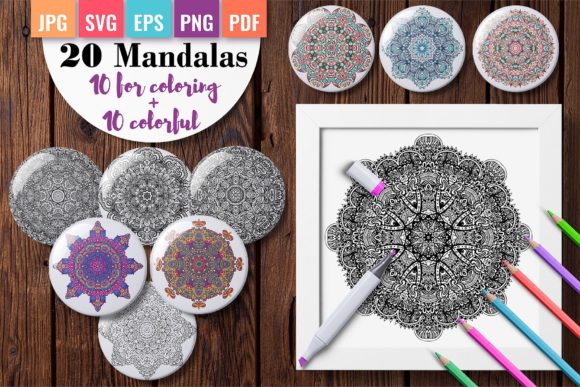
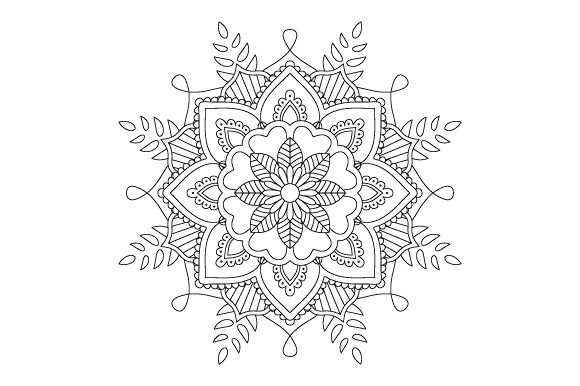
Opening the Mandala Coloring Page Vector Outline file, my first thought was how gracefully this translates from a digital sketch to an embroidered object. It carries a calm, balanced mood—a perfect blend of structure and artistry that feels timeless rather than trendy. The symmetry is commanding, yet the open, unfilled outline creates a sense of lightness, making it versatile for so many projects where heavy stitch coverage might be too rigid or too costly in terms of time and thread.
The Versatile Core of a Well-Built Outline
The beauty here is in its foundational role. As an embroidery design, this isn't about flashy fill stitches; it's about creating a beautiful, clean frame for your threadwork. The vector nature, with formats like SVG, EPS, and AI, means I can scale it without a hint of pixelation, which is crucial for adapting a single graphic across a range of products. From a delicate 3-inch hoop for a baby’s bib to a bold 8-inch statement on a tote bag, the integrity of those intricate lines holds up.
Imagine a scenario: a client requests a custom wedding gift—a set of linen pillow covers for the newlyweds. They want something elegant but not overly ornate. This mandala outline, stitched in a single, fine satin stitch thread color like a soft gold or slate blue, becomes an heirloom-quality accent. The open design avoids making the fabric stiff, preserves its drape, and the result feels intentionally handmade and deeply personal.
Where This Design Finds Its Natural Home
In my practice, I see this design excelling in areas where clarity and recognition are key. It would be a standout on custom apparel like the back of a sweatshirt or the pocket of a denim jacket, where the symmetrical shape sits beautifully. For small business merchandise, such as a boutique’s branded tea towel or an artisan’s apron, it conveys a mindful, crafted aesthetic that customers connect with. As an embroidered patch, its defined edges make for a clean applique or a standalone piece that can be stitched onto caps or bags.
It’s also a prime candidate for baby embroidery and nursery decor. Stitched on a blanket or a little onesie in pastel threads, the mandala’s harmonious shape feels gentle and safe, avoiding the clutter of busy designs. For holiday gifts or personalized products, like a monogrammed tote, you could easily place a name within the center circle, using the mandala as a regal frame that elevates the entire presentation.
Practical Considerations for Stitching Success
While the design is adaptable, its successful execution depends on mindful setup. The level of detail, especially in the outer rings and the interior patterns, requires attention.
- Hoop Size & Stabilizer: For smaller incarnations, particularly on items like caps or curved surfaces, a very stable hoop and the right stabilizer are non-negotiable to prevent puckering and to maintain those sharp lines.
- Fabric Choice: On textured fabrics like sweater knits or on stretchy fabric, consider a slightly heavier stabilizer. On thin fabric, you might opt for a lighter touch, but the key is to prevent the design from distorting the base material.
- Thread Color Contrast: This is an outline. Its power comes from contrast. On dark fabric, a bright or metallic thread makes it pop. On light fabric, deeper, rich tones give it substance. Always test on scrap fabric first—a quick stitch-out reveals if any tiny details get lost.
- Stitch Density & Type: Depending on your machine embroidery file settings, a running stitch or a light satin stitch will give different feels. A running stitch feels more sketched and casual, great for a kitchen towel. A satin stitch feels richer and more formal, ideal for a gift pillow cover. Review the stitch density to ensure it’s appropriate for your fabric weight; too dense on a lightweight cotton can make it stiff.
Spotlighting the Commercial and Creative Value
From a business perspective, this design is a solid asset. For Etsy sellers and digital product sellers, the provided formats—including PNG with and without fills at 300 dpi and PDF—mean it’s ready not only for embroidery but also for creating attractive printable mockups and digital product previews for your listings. That’s a huge time-saver.
The clean, professional result it produces on a finished product boosts customer trust. A well-embroidered mandala on a tote bag or sweatshirt looks intentional and high-quality, which supports brand consistency for a craft business. It’s inherently giftable—its neutral, positive symbolism makes it a safe and appreciated choice for a wide range of recipients.
Areas for Careful Application
Not every project is a perfect fit. The Mandala Coloring Page Vector Outline, with its fine details, should be used carefully in a few contexts.
- Very Small Hoop Sizes: If reduced excessively for, say, a tiny charm or a miniature patch, some of the intricate interior latticework might become too fine to stitch cleanly. Always inspect the scaled-down version on screen before stitching.
- Dense or Dark Fabric Backgrounds: On very dense fabrics like felt or on dark fabrics without proper thread choice, the design can lose its clarity. A test stitch-out is your best friend here.
- Products for Frequent Washing: If stitching on items like everyday kitchen towels or baby clothes that will see many washes, consider using durable thread and potentially a slightly heavier stitch to ensure longevity. The outline’s simplicity helps here, as there are no large fill areas that might wear unevenly.
- Commercial Embroidery Projects: For large-scale production, the design’s scalability is a plus. However, always confirm the licensing terms of the file before selling finished items or incorporating it into commercial design assets. The product category listed as Graphics under Coloring Pages Amp suggests it’s likely intended for broad use, but verification is a key professional step.
A Final, Confident Impression for Makers
Ultimately, the Mandala Coloring Page Vector Outline strikes me as a thoughtfully constructed, versatile tool. It doesn’t shout; it provides a graceful canvas. For embroidery designers and makers, it offers a path to create products that feel both meditative and market-ready. Whether you’re crafting a one-off personalized gift or building a line of embroidered goods for your small shop, this design brings a reliable, beautiful structure to your work. My advice is to get it into your software, scale it to your first project idea—perhaps that custom tote bag or holiday pillow cover—and see how cleanly its lines translate into stitches. That’s where its real value, as a practical and aesthetically pleasing embroidery design, truly comes to light.