A Practical Review of Carrots for Easter Embroidery
Whenever a new embroidery design lands in my library, my first question is never simply “Is it pretty?” It’s “What can it actually become?” Today, I’m looking at Carrots for Easter Projects through that lens, considering its real-life potential for embroidered gifts and merchandise.
The First Impression: Springtime Personality in a Simple Shape
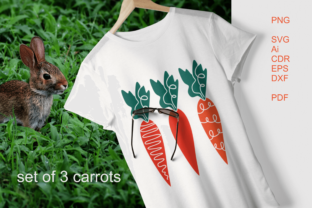
Opening Carrots for Easter Projects, the immediate feeling is cheerful and uncluttered. The carrot shape itself is a classic, instantly recognizable symbol of spring and Easter. The fact that it’s offered as separated files is a huge practical win; it means you can place them individually, cluster them, or use just one without any digital editing hassle. Having two patterned carrots and one with a solid look gives you built-in variety. This isn’t a complex, overly detailed illustration—it’s a graphic with a friendly, almost playful personality. It feels like it belongs on items meant to evoke warmth, celebration, and a touch of whimsy.
The Natural Home for This Embroidery Design
Let’s picture a scenario: you’re preparing for a spring craft fair or updating your Etsy shop with seasonal items. You want to create a small batch of custom embroidered tote bags. This carrot design jumps out as a perfect candidate. It’s thematic without being overly religious, it’s seasonal without being limited to just Easter day, and its graphic nature means it will stitch cleanly on bag fabric. I’d envision it on a natural canvas tote, perhaps paired with a simple “Spring” or “Easter” text nearby. The separated files allow you to create a charming scattered arrangement across the bag’s front. That’s the kind of practical application where this design shines.
Beyond tote bags, its scale and style naturally suit a range of projects. Think of it on the corner of a linen tea towel for a kitchen gift, on a baby’s knit sweater for a nursery photo, or as a small accent on a cotton apron. For small business merchandise, it could be a recurring motif on a series of products—a patch on a cap, a detail on a sweatshirt sleeve, or the central element on a pillow cover for boutique home decor. The solid carrot offers a bold, color-block option, while the patterned ones add texture, making the design adaptable to different brand aesthetics.
Where Visual Appeal and Practical Stitching Meet
The real test of any embroidery file is how it translates from screen to stitch. For Carrots for Easter Projects, the clean outlines suggest good stitching clarity. The patterned areas will likely use a fill stitch, which you’ll want to test for density on your chosen fabric. On a fluffy sweatshirt or a textured blanket, a very dense fill might sink in and lose definition, whereas on a smooth cotton t-shirt or tote, it will pop. This is where your professional judgment comes in: always test on scrap fabric first. Check the thread color contrast against your background—bright orange on a white fabric is classic, but consider a deeper coral on a light grey for a more subtle, modern gift. The separated files are excellent for placement, but remember to consider overall hoop size. You’ll need to ensure your machine’s hoop can accommodate your planned arrangement if you’re stitching multiple carrots together.
Considerations for a Professional Finish
While the design is versatile, there are situations where extra care is needed. If you’re planning to put it on a curved surface like a cap, check those small details—the tapered top and bottom of the carrot might need slight adjustments in placement to avoid distortion. On thin or stretchy fabrics, using the proper stabilizer is non-negotiable to prevent puckering, especially if the fill areas are sizable. For dark fabric backgrounds, you’ll need to think about thread choice; a standard orange might not have enough punch, so testing a brighter or even metallic thread could elevate the finished product. These considerations directly affect customer trust and your product’s perceived value. A crisp, well-executed embroidery on a tea towel feels like a premium handmade gift; a puckered, poorly placed one feels amateurish.
Designer Notes for Project Success
My workflow with a design like this always includes a few key steps:
- Stitch a sample on the actual fabric I plan to use, not just plain stabilizer.
- Review the stitch density in the patterned areas—is it appropriate for my fabric weight?
- Check the design in a black and white mockup to ensure the shapes are clear without color reliance.
- Compare how it looks on both light and dark digital backgrounds to pre-visualize customer options.
- Most crucially, confirm the licensing terms for this digital embroidery file. Can I use it for commercial projects, like selling embroidered pillows in my small shop? Or is it for personal use only? This information is essential for craft business owners and Etsy sellers.
Since the product description highlights it for printable and cuttable crafts, it’s clearly versatile. For embroidery, this suggests the shapes are clean and well-defined, great for creating printable mockups to preview your finished product listings online. That’s a valuable asset for digital product sellers and creative entrepreneurs.
The Final Verdict for Your Craft Business
Carrots for Easter Projects is a straightforward, mood-lifting design asset. Its strength lies in its simplicity and separability, making it a flexible tool for spring-themed embroidery. It won’t add intricate, time-consuming detail to your project, but it will add recognizable, cheerful character. For personalized gifts like baby items or holiday presents, it hits the right note. For commercial embroidery on apparel or home decor, it offers a scalable, repeatable motif that can build brand consistency across a seasonal line.
Ultimately, its value is realized in how you apply it. Pair it with thoughtful fabric choice, precise placement, and professional finishing techniques. That combination will turn this graphic into an embroidered product that feels crafted, not just stamped, engaging your buyers and supporting your handmade presentation. Before you run the machine, do your practical checks—and then let this little carrot bring a slice of spring to your work.