A Detailed Review of the Kayak Adventure Logo for Embroidery
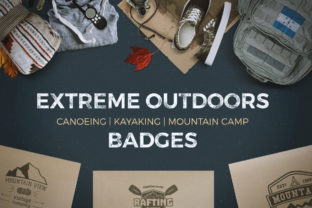
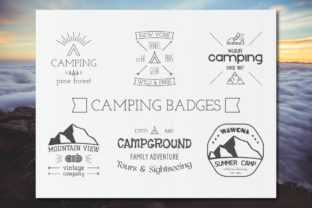
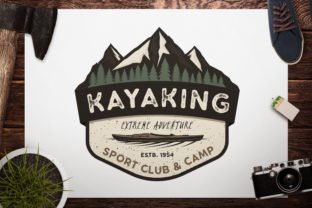
When I first looked at this Kayak design, I felt a wave of calm, adventurous energy. It’s not just a logo; it’s a story. The vintage rafting and canoeing patch style, combined with those mountain and river elements, creates a sense of timeless wanderlust. As an embroidery designer, my first thought wasn't about file formats, but about what kind of fabric this mood belongs on. It has a classic, emblem-like feel that promises to stitch out with real character.
The Kind of Projects This Design Calls Home
This isn't a design for a generic t-shirt. Its personality demands a product with a purpose. Imagine a custom tote bag for a weekend camping trip, or a heavyweight sweatshirt for a hiking club. I instantly thought of a boutique selling handmade goods to outdoor enthusiasts—this would be a perfect centerpiece on an apron or a thick, canvas pillow cover for a cabin. The mountain camp logo aesthetic makes it a natural fit for personalized gifts for adventurers, like a commemorative patch for a completed river trip.
For craft business owners, especially Etsy sellers targeting the wanderlust niche, this design is a strong commercial embroidery asset. It could elevate a simple tea towel into a themed kitchen decor item or transform a plain blanket into a cozy, narrative-driven product. In printable mockups for digital product sellers, this Kayak graphic would convey a clear, appealing lifestyle brand.
Where the Stitching Will Really Shine
In practical embroidery situations, the design’s layout looks promising. The central kayak and surrounding elements seem to have a balanced level of detail. On a sturdy tote bag or a denim jacket, the satin stitches outlining the mountains and the fill stitches in the kayak body should create lovely texture. On a baby item, like a nursery decor pillow, the softer, vintage stamp look would be charming without being too bold.
For apparel decorators, a mid-weight sweatshirt or a cap would be excellent canvases. The emblem style suggests it will hold its visual authority even on a curved surface like a hat, provided the design isn't too large. As a standalone embroidered patch, it would be a fantastic, sellable product at a craft fair, appealing directly to customers who value handmade, themed merchandise.
Practical Considerations Before Hooping the Fabric
This design’s appeal hinges on stitching clarity. My professional advice is to always test it on scrap fabric first. Use the same material and stabilizer you plan for the final project. This is crucial because the vintage details and potential small lettering (if present) need to be examined closely.
Check thread color contrast against your background. The design likely benefits from a strong contrast—dark threads on light fabrics or vice versa to make the mountain river scene pop. Review the stitch density in your software; areas like the kayak or dense mountain fills might need adjustment for thinner fabrics like t-shirts to prevent puckering.
Confirm your hoop size can accommodate the design at your intended scale. Inspect those detailed corners and any potential tiny elements to ensure they’ll survive the stitching process and maintain a professional look. Always test the design in black and white mockups and compare how it looks on both light and dark fabric backgrounds. This simple step saves so much frustration later.
When to Use This Design With Extra Care
While this Kayak logo is versatile, there are situations where you need to be mindful. On very small hoop sizes, the details might become muddled. Textured fabrics could interfere with the clean lines of the canoeing stamp. Thin or stretchy fabric, like a standard t-shirt, will require careful stabilizer choice and possibly a reduction in overall stitch density to keep the finished product smooth.
Dark fabric is wonderful for contrast, but be prepared for potential thread visibility issues if using light colors—a test run is essential. For layered garments or curved surfaces like caps, pay extra attention to stabilizer and possibly consider a simplified version if the file allows. Products destined for frequent washing, like kitchen towels or baby clothes, need robust stitching; check that the design’s stitch structure feels secure after your test.
The Impact on Your Product and Your Customer
Using a design with this much visual personality directly affects your product’s value. On a handmade tote or sweatshirt, it transforms the item from generic to narrative-driven, enhancing its giftability and recognition. For a small shop product, it contributes to brand consistency if you’re focusing on outdoor or adventure themes.
It projects a sense of professionalism and craftsmanship that builds customer trust. A well-embroidered version of this Kayak emblem on a boutique product engages buyers by telling a story they want to be part of. The handmade presentation feels intentional and skilled, which is exactly what creative entrepreneurs want to convey.
Essential Notes for Embroidery Designers and Makers
Before running this Kayak design for any client project or commercial embroidery, do your due diligence. Beyond the stitch tests, confirm the licensing terms for this digital embroidery file. Know whether you can use it for personal projects, commercial projects, or both before selling finished items or creating digital products like printable mockups based on it.
As a graphics file in the Logos category, it’s built to be an identity piece. Use that strength. Pair it with complementary designs for a full collection, or let it stand alone as a powerful statement on a custom apparel item. Remember, the final product’s success depends on your preparation. Choose the right fabric, the right stabilizer, and the right thread colors to let this vintage adventure logo tell its story perfectly through every stitch.
In the end, this Kayak design feels like a reliable asset. It has the visual weight to be a focal point and the thematic depth to resonate with a specific audience. For crafters, makers, and small business owners looking to create products with meaning, it’s a design worth putting through a rigorous, real-world test—because when it stitches out well, it will look outstanding.