A Turkey Mandala Design for Creative Embroidery Projects
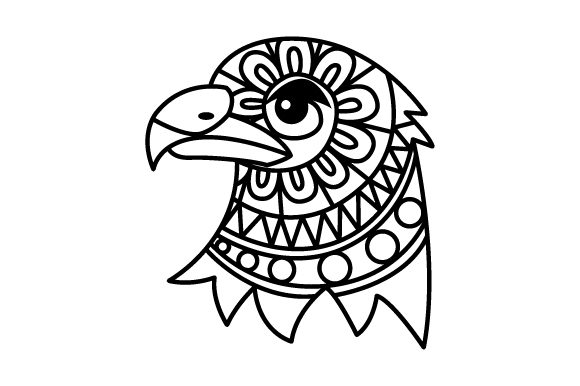
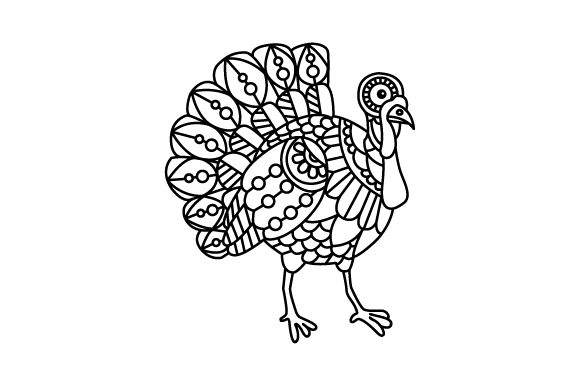
When you’re looking at embroidery designs for real-world projects, the first impression is everything. I opened Turkey. Mandala Line Art Style for Coloring Book and immediately felt its calm, decorative vibe. It’s not just a bird; it’s a serene, symmetrical pattern that feels both natural and artistic. The mandala framework gives the turkey a dignified, almost meditative presence, which is a fantastic departure from typical animal illustrations. This visual personality tells me it’s destined for projects where beauty and meaning are the focus, not just a quick logo.
Where This Design Finds Its Perfect Home
The real test of any embroidery file is how it translates from screen to stitch. I picture this design on a custom embroidered tote bag for a nature-loving friend. The line art style, with its clear, flowing contours, would stitch out with elegant clarity, turning a simple bag into a piece of art. It’s equally compelling on a linen pillow cover for a cozy, rustic bedroom or a detailed patch for a denim jacket. For small businesses, especially those in the Animals and Crafts niches, this turkey mandala could become a signature piece for a line of holiday embroidery gifts—think Thanksgiving-themed kitchen towels or personalized autumn aprons that stand out at a craft fair.
The design’s structure also makes it a strong candidate for baby embroidery on a nursery blanket or a delicate sweatshirt. Its symmetrical, peaceful lines feel gentle and welcoming. As an Etsy seller creating handmade products, I would use this in a printable mockup to show how it would look on a cap or a tea towel, instantly elevating the perceived value of the finished product. It’s that kind of design asset that helps build brand consistency for a creative entrepreneur specializing in nature-inspired decor.
Navigating the Practicalities of Stitching
For all its beauty, a design like this requires thoughtful application. The mandala style implies detail, particularly in the finer lines and the intricate patterns within the feathers. On small hoop sizes or on textured fabrics like a thick sweater, some of that detail could get lost or become challenging to stitch cleanly. I would be cautious using it on stretchy fabric without excellent stabilizer, as the precise lines could distort. Embroidering on dark fabric would demand a careful thread color strategy—perhaps using a series of lighter, contrasting shades to make the mandala pop.
It’s also worth considering the stitch density. While the provided formats like SVG and EPS are excellent for scaling, the converted machine embroidery design needs to be checked for overly dense fill areas if you plan to satin stitch the outlines. This could make the design stiff on a lightweight t-shirt. Always test the design on scrap fabric first, mimicking the final project’s fabric and color. This step is non-negotiable for maintaining professionalism and customer trust in your commercial embroidery work.
Turning a Digital File into a Marketable Product
The impact of Turkey. Mandala Line Art Style for Coloring Book on your product’s appeal is significant. Its artistic nature increases the perceived craftsmanship of any item. A client receiving a personalized gift with this embroidery feels they’ve gotten something unique and thoughtful, not mass-produced. For your craft business, this enhances buyer engagement—it’s a design that prompts questions and admiration at a boutique or in an online listing.
However, the visual appeal hinges on execution. On curved surfaces like caps, the circular mandala layout might require expert placement to look balanced. The design’s success on items needing frequent washing, like aprons, depends on using robust threads and secure stitching techniques. Its stitching clarity is its greatest asset, but that clarity can be compromised on unsuitable backgrounds. I recommend creating both black and white mockups to see how it holds up on light and dark fabric textures before committing.
Essential Designer Notes Before You Hoop
Before running this file on your machine for a client’s custom apparel or your own small shop product, a few practical steps are crucial. First, review stitch density in your embroidery software after converting the file. Second, confirm hoop size compatibility—the design’s detail level may favor a larger hoop for the best result. Inspect small details, like the finest lines in the mandala, to ensure they will translate well without breaking.
Always use proper stabilizer appropriate for your chosen fabric. This is especially true for baby clothes or lightweight blankets where fabric pull can ruin the fine lines. Crucially, check whether the design works for both personal and commercial projects by confirming the licensing terms provided with the file. Never assume. This protects your craft business and ensures you can sell the embroidered patch or tote bag design legally.
Finally, consider the thread palette. The line art style offers fantastic flexibility. You could use a monochrome scheme for a modern look or a spectrum of autumnal colors within the mandala sections to truly celebrate the turkey theme. This versatility makes it a powerful digital embroidery file for a wide range of embroidery projects, from a simple decorative accent on a kitchen towel to a central artwork on a sweatshirt embroidery piece. Approach it with a designer’s eye for context, and Turkey. Mandala Line Art Style for Coloring Book will elevate your work from a simple craft to a standout piece of art.